
Hydraulic Aeration And The Future of Smart Water Management
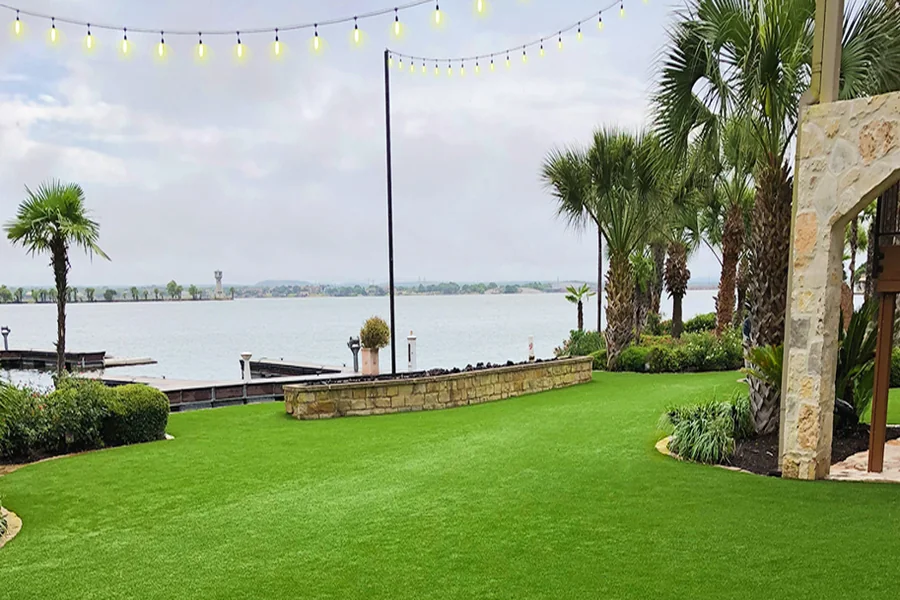
Wedding planners aim for perfection that breaks the backs—quite literally. They need a check for everything—the cutlery, matching wine glasses, the bride’s dress, the theme of the wedding, and how can we forget the soft grass of the huge grounds on which the wedding is hosted. And on such an occasion, a planner finds some patches of sod on the grass. Do you feel he will cover it up and not take the clubhouse manager to task? Considering it is his reputation on the line, he will consider changing vendors either immediately or right after this wedding, which he tries to fix and manage.
The problem, however, wasn’t the vendor; it was the grass’s health, or lack thereof. The grass was not receiving the essential nutrients and water it needed to thrive because the soil beneath had become compacted. A simple walk across a lawn can compress the soil, but when you add hundreds of guests and heavy equipment, the compression can become so severe that it restricts the flow of water, nutrients, and oxygen to the roots. This is where aeration becomes a critical, non-negotiable step in turf management. It’s a process of creating small holes in the soil to alleviate compaction, allowing air, water, and nutrients to penetrate the root zone. A healthy, well-aerated lawn is not only aesthetically pleasing but also more resilient to drought and disease.
The Role of Hydraulic Aeration
While traditional aerators have been a staple in turf care, hydraulic aeration has emerged as a superior method, offering enhanced precision and control. Unlike mechanical tines that require lifting to turn, a hydraulic drive provides exceptional maneuverability, allowing a machine to aerate in tight spaces and even in reverse. This level of control ensures that every inch of a valuable lawn, from a golf course to a wedding venue, is treated uniformly.
The best hydraulic aerators are built with durability in mind. Features like a unibody frame constructed from heavy-gauge steel provide a sturdy and reliable foundation, ensuring the machine can handle tough, uneven terrain without compromising stability. This robust design minimizes downtime and maintenance, making it a valuable asset for any landscape professional. A particular standout in this category is the 21 hydraulic aerator, which embodies these features.
Summing Up: Enhancing Efficiency and Sustainability
The future of smart water management is intrinsically linked to efficient aeration. By ensuring that water can penetrate deep into the soil rather than running off the surface, hydraulic aerators play a pivotal role in conservation. Water is not wasted, and the grass roots can access moisture stored deep below the surface, making the turf more resilient to dry spells. The efficient design of these machines further contributes to sustainability. For instance, self-cleaning tines eliminate the need for frequent stops to clear debris, ensuring continuous operation and reducing energy consumption. Additionally, the compact design and folding handles of these units make them easy to transport and store, reducing the overall carbon footprint of lawn care operations. Ultimately, tools like a high-performance 21-inch hydraulic aerator are not just for fixing a problem; they are a proactive solution, ensuring that a perfect lawn remains perfect for a lifetime.


