
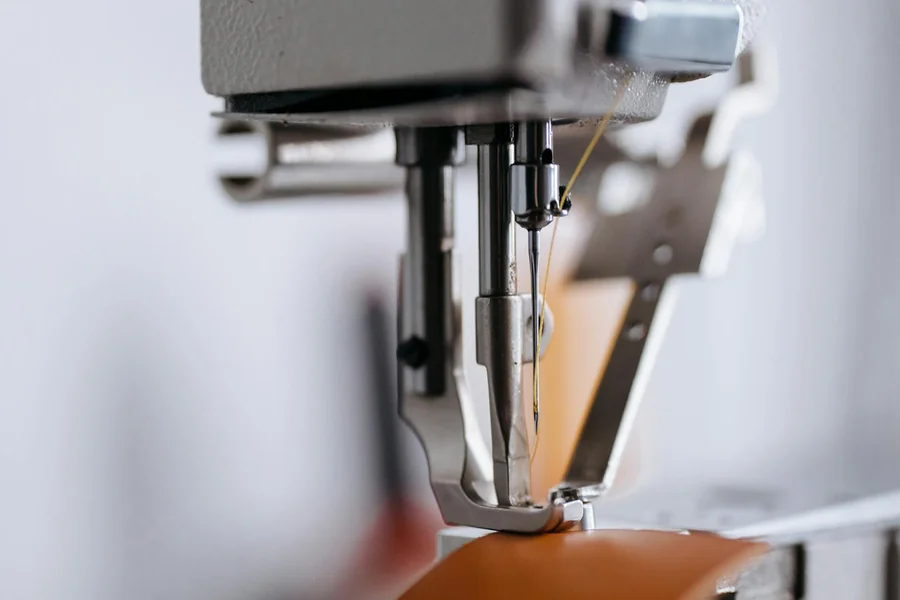
Sustainability in Sewing: How Modern Machines Reduce Waste and Improve Efficiency
The textile and garment industry is undergoing a profound transformation. As sustainability becomes a key concern for manufacturers and consumers alike, industrial sewing machines are playing an increasingly important role in reducing waste, improving efficiency, and paving the way for greener production practices.
From Tradition to Technology
For decades, sewing has been at the heart of textile production. Traditional machines got the job done, but they were not designed with efficiency or sustainability in mind. Manual adjustments, inconsistent stitching, and fabric handling challenges often led to wasted materials, higher energy use, and slower production speeds.
Today, things look very different. Modern industrial sewing machines combine precision engineering, digital technology, and automation to deliver not only quality results but also significant environmental benefits.
How Modern Sewing Machines Reduce Waste
- Precision Stitching
Computer-controlled systems ensure that every stitch is consistent. This accuracy minimizes errors and reduces the likelihood of having to discard or rework garments, saving both fabric and thread. - Optimized Material Use
Advanced feed mechanisms handle fabrics more smoothly, reducing slippage and misalignment. Some machines even use intelligent sensors to detect fabric positioning, cutting down on offcuts and waste. - Thread Management
Innovations such as automatic thread trimming and tension control prevent unnecessary thread usage and reduce the need for frequent rethreading, further cutting waste. - Durability and Longer Life Cycles
Modern machines are built for longevity and can withstand intensive use. Fewer replacements and breakdowns mean fewer machines end up as waste.
Efficiency Gains in Modern Sewing
- Automation and Robotics
Automated functions—from backtacking and seam sealing to complex embroidery—streamline production and reduce reliance on manual labour. This boosts productivity while lowering the margin of error. - Smart Energy Use
Many modern machines feature energy-saving servomotors that consume less power than traditional clutch motors. They also only draw power when the needle is in motion, further reducing electricity usage. - Digital Integration
Machines equipped with digital interfaces can connect to wider production systems, allowing managers to monitor output, detect inefficiencies, and make real-time adjustments. - Faster Changeovers
Quick programming, modular attachments, and intuitive interfaces mean less downtime when switching between designs or fabric types, increasing overall throughput.
Attachments That Expand Capability
One of the less obvious but highly impactful contributors to sustainability in sewing is the wide range of attachments available for modern industrial sewing machines. From hemming guides and binding attachments to automated folder systems and programmable pattern devices, the type of add-ons supplied by companies such as Atlantic Automation Co. allow one machine to perform multiple tasks that would once have required several different pieces of equipment. By expanding the range of tasks, attachments help reduce the number of machines a factory needs to purchase, power, and maintain—minimising both the environmental and financial costs of production.
This versatility also supports more efficient workflows. Instead of moving materials between different stations or processes, attachments make it possible to complete multiple operations in a single pass. Compared with other manufacturing approaches—such as bonding or cutting methods that create excess offcuts—an adaptable sewing machine can deliver strong, precise, and low-waste results. In this way, attachments are not only a practical solution but also a sustainable one, extending the capabilities of existing machines while reducing reliance on additional resources.
The Road Ahead: Future of Sustainable Sewing
The pace of change in sewing technology shows no signs of slowing. Here are some of the developments we can expect in the near future:
- AI-Powered Quality Control: Machine learning will help detect flaws in real-time, further reducing fabric waste and ensuring near-perfect consistency.
- Integration with Smart Factories: Sewing machines will increasingly be part of connected production lines, sharing data across systems to optimize efficiency and resource use.
- Circular Economy Innovations: Machines may evolve to work more effectively with recycled textiles, accommodating a wider range of fibres and blends.
- Greater Customization: On-demand production driven by digital patterns will reduce overproduction and excess inventory, one of the biggest sources of waste in fashion.
Conclusion
Modern industrial sewing machines are doing far more than stitching fabric together—they are stitching sustainability into the fabric of the textile industry. By reducing waste, improving efficiency, and embracing digital transformation, these machines are enabling greener production practices today and setting the stage for an even more sustainable future.
The journey is ongoing, but one thing is clear: the future of sewing is not just about speed or precision—it’s about sustainability.


