
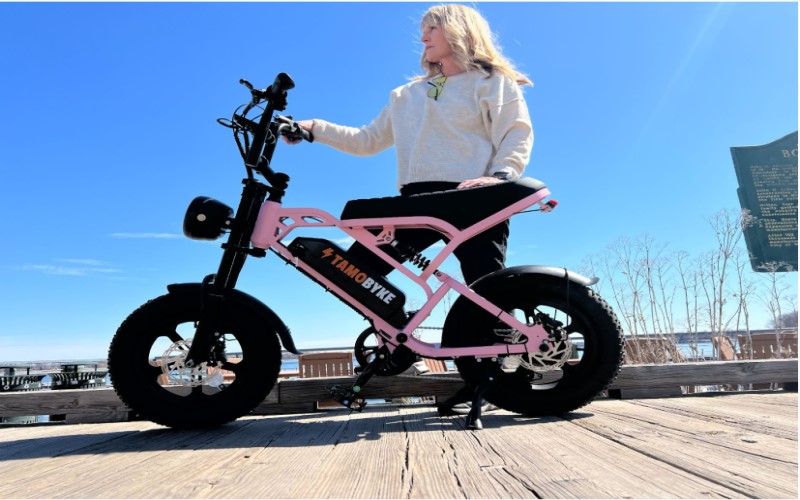
The New Frontier of Electric Dirt Biking: How Battery-Powered Off-Road Vehicles Are Reshaping Motorsports
The world of motorsports has undergone a technological revolution in recent years, with electric propulsion transforming competitions once dominated by combustion engines. Nowhere is this shift more evident than in the off-road sector, where battery-powered dirt bikes have evolved from experimental curiosities to high-performance machines that are redefining what’s possible on challenging terrain. This rapid evolution reflects both technological breakthroughs and shifting cultural priorities regarding environmental impact and accessibility of riding.
Silent Revolution: The Competition Landscape Transforms
Professional off-road competitions have experienced a remarkable transition toward electric technology, with dedicated electric classes evolving from exhibition demonstrations to premier racing categories in just three years. The SuperEnduro World Championship introduced its E-Class in 2023 as a supplementary category. By the 2025 season, electric entries outnumbered traditional gas bikes in four of the six professional classes, marking a tipping point in the adoption of electric bikes in competition.
The performance characteristics of the modern electric dirt bike for adults create distinctly different racing dynamics compared to traditional competitions. The instant torque delivery of electric motors has led to redesigned race courses that feature more technical obstacles and tighter cornering sequences, showcasing these performance attributes. Starting grids now accelerate with eerie silence punctuated only by the sound of tires grabbing for traction, creating a spectator experience focused on the athletic skill of competitors rather than mechanical noise.
Factory racing team manager Carlos Rodriguez explains: “The elimination of engine sound has fundamentally changed how riders approach technical sections. Without engine feedback, they’ve developed enhanced sensitivity to tire grip and suspension response. We’re seeing technical precision that wasn’t possible when riders relied heavily on audio feedback from engines changing pitch.”
This technical evolution extends beyond elite competition to reshape how average riders experience challenging terrain. The precise throttle control of electric motors allows riders to navigate technical obstacles with unprecedented accuracy, effectively lowering the skill barrier for advanced off-road experiences. Riding schools report that students master technical maneuvers 34% faster on electric platforms compared to internal combustion bikes, with the intuitive power delivery creating more direct connections between rider inputs and vehicle responses.
Beyond the Track: Access Revolution in Public Lands
Perhaps the most significant impact of electric dirt bikes has extended beyond competition venues to transform where off-road riding can occur. The near-silent operation and zero-emission characteristics have opened access to previously restricted areas, allowing for entirely new riding possibilities in regions with strict environmental regulations.
The U.S. Forest Service’s 2024 “Electric Access Initiative” established differential access policies that permit electric dirt bike use on 186,000 acres of trails previously closed to all motorized vehicles. This groundbreaking policy recognized electric motorcycles as a distinct category with environmental impacts more comparable to mountain bicycles than conventional motorcycles. Similar policies have emerged in environmentally sensitive regions worldwide, from the Black Forest in Germany to protected watersheds in New Zealand.
Sound measurement data confirms the dramatic difference: traditional dirt bikes typically produce 96-102 decibels at full throttle, while electric models operate at just 65-70 decibels, comparable to normal conversation levels. This 30+ decibel reduction eliminates the primary objection to off-road motorcycle access in multi-use recreation areas and noise-sensitive locations near residential zones.
Beyond merely preserving existing access, these environmental characteristics are creating entirely new riding venues in previously unlikely locations. Urban adjacent “silent parks” have emerged in metropolitan regions including Barcelona, Singapore, and Portland, Oregon, offering dedicated off-road riding areas within city limits. These facilities typically operate with restricted hours compatible with residential surroundings—a scenario unimaginable with conventional motorcycles.
The Technology Evolution: Purpose-Built Platforms Emerge
The current generation of high-performance electric dirt bikes bears little resemblance to the primitive conversions that defined early development efforts. Today’s machines feature purpose-designed frames, motors, and battery systems specifically engineered for the unique demands of off-road use rather than adapted from street applications.
Frame geometry has evolved to accommodate the different weight distribution of electric powertrains, with battery mass centralized and positioned lower than traditional engines for improved handling dynamics. Advanced models utilize carbon fiber monocoque structures that integrate the battery as a stressed member, reducing overall weight while improving torsional rigidity compared to conventional designs with bolted-on power sources.
Motor technology has similarly advanced beyond general-purpose electric drives to purpose-built systems optimized for off-road usage patterns. Current generation motors feature enhanced thermal management systems that maintain consistent performance during the intense, variable load conditions characteristic of technical terrain. Advanced cooling circuits prevent the power throttling that plagued early designs during extended hill climbs or racing scenarios.
Perhaps most significantly, battery technology has addressed the range limitations that once defined the category. Contemporary lithium-ion cells deliver energy densities approaching 300Wh/kg—nearly double what was available in 2022—while sophisticated management systems optimize discharge patterns based on terrain conditions and riding styles. The typical competition-focused electric dirt bike now delivers 1.5-2 hours of aggressive riding, sufficient for most race formats and recreational sessions.
The Accessibility Revolution: New Participants Enter the Sport
Beyond the environmental and performance aspects, electric propulsion has dramatically expanded the participation in off-road motorcycling through improvements in both physical and psychological accessibility. The elimination of kick-starting requirements, substantial reduction in vibration, and simplified operation have made dirt biking viable for individuals with physical limitations that prevented participation with traditional machines.
Demographic data confirms this democratization effect: the average age of new dirt bike purchasers has increased from 32 to 46 since 2023, while female ridership has grown from 18% to 34% of total participants. These shifts reflect the ability of electric technology to reduce the physical barriers that previously limited participation to those with specific physical capabilities.
The psychological accessibility factor proves equally significant, particularly for urban professionals without mechanical backgrounds. Electric dirt bikes eliminate intimidating maintenance requirements like carburetor adjustments, oil changes, and air filter cleaning that often deterred potential participants without existing powersports experience. The familiar battery-powered operation—conceptually similar to everyday devices—creates an approachable entry point for demographics that found internal combustion engines psychologically intimidating.
This accessibility extends to youth riders through sophisticated power-limiting systems that create progressive skill development pathways impossible with gas engines. Advanced models feature programmable power delivery that grows with the rider’s capability, allowing for precise calibration to individual skill progression rather than the dramatic steps between different engine displacements found in traditional motorcycles.
The Economic Transformation: Ownership Models Evolve
The economic structure surrounding dirt bike ownership has evolved alongside the technology, with new acquisition and usage models emerging to address the different cost structure of electric vehicles. The higher initial purchase price of electric models (typically 30-40% above comparable gas bikes) has driven innovative approaches that consider the dramatically lower operational costs over the vehicle lifespan.
Subscription services have gained particular traction, offering unlimited access to current-year models for monthly fees ranging from $149-$299. These programs typically include maintenance coverage and battery assurance guarantees that eliminate range anxiety concerns through replacement guarantees if capacity falls below specified thresholds. This approach has proven especially popular with riders transitioning from gas bikes who remain uncertain about battery longevity and maintenance requirements.
The fleet-based rental model has similarly evolved beyond basic tourist experiences to create sophisticated “membership riding” programs for enthusiasts seeking regular access without the commitment of ownership. These services maintain diverse fleets at dedicated riding facilities, allowing participants to experience different models across various terrain types without significant capital investment.
Most significantly, the total cost of ownership equation has shifted dramatically in favor of electric technology when operational expenses enter the calculation. A typical 250cc gas dirt bike consumes approximately $15-$ 20 in fuel per riding day, plus an additional $30-$ 50 in routine maintenance costs per 10 hours of operation. Electric models reduce these ongoing expenses by approximately 85%, with electricity costs averaging $2-3 per charge and maintenance requirements limited primarily to tire and brake wear.
As battery technology continues advancing and production volumes increase, the initial price differential between electric and gas models will likely narrow, potentially eliminating the last significant barrier to widespread adoption. The off-road motorcycle experience has been fundamentally transformed by electric technology, creating easier access, Reduced environmental impact, and simplified ownership that together are reshaping who rides and where riding occurs, while you relax and enjoy content on peacocktv.com tv.

