
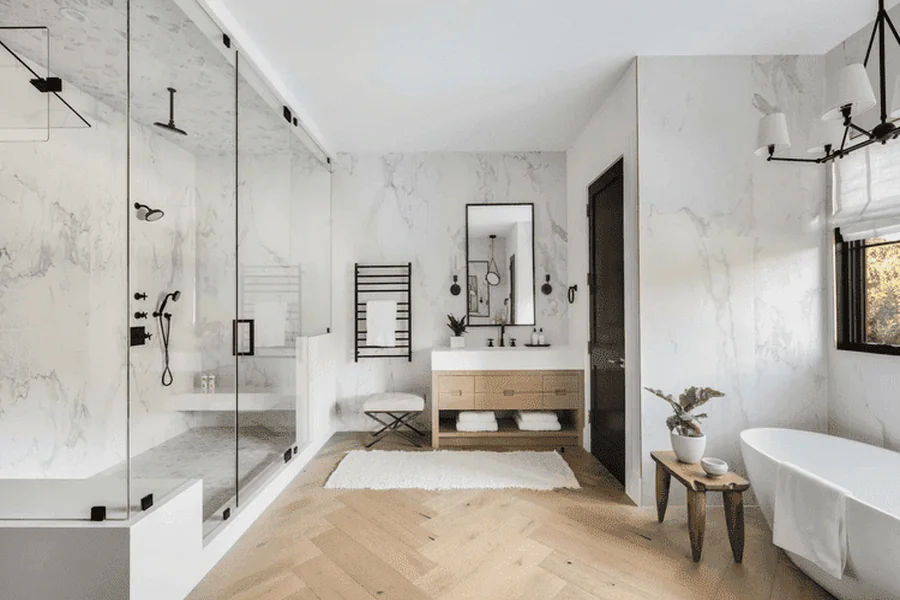
Transform Your Bathroom: Design Ideas and Renovation Tips
Your bathroom is more than just a functional space; it is a sanctuary where you can relax, refresh, and rejuvenate. Whether you’re working with a compact powder room or a spacious master bath, thoughtful design and strategic renovations can transform this essential space into a stylish, efficient, and comfortable retreat. In this article, we’ll explore design ideas, renovation tips, and practical strategies to elevate your bathroom to the next level.
1. Start with a Vision
Before picking out tiles or faucets, it’s important to define the purpose and style of your bathroom. Are you aiming for a spa-like oasis, a modern minimalist design, or a classic traditional look? Consider the following elements when crafting your vision:
- Functionality: How many people will use the space daily? Do you need dual sinks, additional storage, or a separate shower and tub?
- Style: Choose a design theme that complements the rest of your home. Popular styles include contemporary, rustic, industrial, and Scandinavian.
- Budget: Determine a realistic budget to guide your choices, keeping in mind that certain features like custom cabinetry or high-end fixtures may significantly impact costs.ng a mood board with color swatches, textures, and inspirational images can help clarify your vision and serve as a reference throughout the renovation process.
2. Optimize Layout and Space
One of the most important aspects of a bathroom renovation is layout. Even small changes in arrangement can dramatically improve flow and usability. Consider the following tips:
- Maximize storage: Incorporate built-in shelves, recessed niches, or vanity cabinets to keep essentials organized and out of sight.
- Use corner space: Corner sinks, vanities, or shelving can free up floor space in smaller bathrooms.
- Separate wet and dry areas: If possible, separate the shower or bathtub from the toilet and vanity to create a cleaner, more functional space.
If you’re planning a major remodel, consulting a professional designer or architect can help ensure your layout makes the most of the available space and meets local building codes.
3. Choose Timeless Materials
The materials you select will impact both aesthetics and durability. While trends come and go, certain materials stand the test of time:
- Tiles: Ceramic and porcelain tiles are versatile, durable, and water-resistant. Large-format tiles can make small spaces appear bigger, while mosaics add intricate visual interest.
- Countertops: Quartz, granite, and marble are popular choices for vanities. Quartz is low-maintenance and resistant to stains, making it ideal for daily use.
- Cabinetry: Solid wood or moisture-resistant engineered wood provides durability and a luxurious feel. Soft-close drawers and doors add functionality.
When choosing materials, consider maintenance requirements, water resistance, and how they complement your overall design theme.
4. Enhance Lighting
Lighting is a key element that often gets overlooked. The right combination of ambient, task, and accent lighting can completely transform your bathroom:
- Ambient lighting: Overhead fixtures, such as recessed lights or ceiling-mounted designs, provide overall illumination.
- Task lighting: Install sconces or LED strips around mirrors for shaving, makeup application, or grooming tasks.
- Accent lighting: Highlight architectural features, niches, or artwork with soft, indirect lighting to add depth and visual interest.
Dimmable lighting is especially useful, allowing you to adjust brightness for different times of day or moods, creating a spa-like ambiance.
5. Upgrade Fixtures and Hardware
Small updates like faucets, showerheads, and drawer pulls can make a big difference. Consider the following:
- Water efficiency: Low-flow faucets and dual-flush toilets save water without sacrificing performance.
- Style consistency: Match metals and finishes across fixtures—think brushed nickel, matte black, or polished chrome—to create a cohesive look.
- Functionality: Modern showerheads offer multiple spray settings, while soft-close toilet seats and touchless faucets add convenience. Modern electronic bidet seats are also a luxurious addition, providing comfort, hygiene, and advanced features that elevate the bathroom experience.
Investing in high-quality fixtures ensures longevity and enhances the overall appeal of your bathroom.
6. Focus on Storage Solutions
Clutter can make even the most elegant bathroom feel cramped. Clever storage solutions keep your bathroom organized while complementing the design:
- Vanity cabinets: Choose vanities with drawers and compartments tailored to store toiletries, towels, and cleaning supplies.
- Wall-mounted shelves: Floating shelves or ladder shelves add vertical storage without taking up floor space.
- Hidden niches: Recessed wall niches in the shower or bathtub area provide storage without interrupting the design flow.
Maximizing storage not only improves functionality but also contributes to a clean, calming aesthetic.
7. Incorporate Natural Elements
Bringing natural elements into your bathroom adds warmth and tranquility. Consider:
- Plants: Low-maintenance plants such as ferns, orchids, or snake plants thrive in humid environments and purify the air.
- Natural materials: Wood accents, stone countertops, and bamboo accessories create a spa-like atmosphere.
- Natural light: If possible, increase natural light with larger windows or skylights, enhancing mood and energy efficiency.
Combining natural elements with modern fixtures can produce a balanced, harmonious space that feels both luxurious and inviting.
8. Add Personal Touches
Your bathroom should reflect your personality and lifestyle. Personal touches can elevate the design:
- Art and décor: Wall art, decorative mirrors, or sculptures add character and visual interest.
- Textiles: Coordinated towels, bath mats, and shower curtains contribute color, texture, and comfort.
- Fragrance and ambiance: Candles, diffusers, and essential oils create a relaxing, spa-like environment.
Even small additions like a stylish soap dispenser or a chic laundry basket can make a noticeable impact.
9. Plan for Maintenance
A beautiful bathroom is only enjoyable if it remains clean and functional. Consider maintenance when choosing materials, finishes, and fixtures:
- Easy-to-clean surfaces: Smooth tiles, non-porous countertops, and wall-mounted vanities simplify cleaning.
- Durable finishes: Matte or textured finishes can hide water spots and fingerprints better than high-gloss surfaces.
- Prevent moisture damage: Ensure proper ventilation with exhaust fans or operable windows to prevent mold and mildew.
Maintenance-conscious choices save time, money, and frustration over the long term.
10. Know When to Hire Professionals
While DIY projects can be rewarding, bathrooms involve plumbing, electrical work, and water management, which can be complex and potentially hazardous. Hiring licensed professionals ensures that:
- Work meets local building codes and safety standards.
- Fixtures, plumbing, and electrical systems are installed correctly.
- The project stays on schedule and within budget.
Even if you handle some elements like painting or décor yourself, professional assistance for major renovations is a worthwhile investment.
Transforming your bathroom requires a combination of vision, careful planning, and thoughtful execution. From optimizing layout and selecting timeless materials to incorporating natural elements and enhancing lighting, every decision contributes to a functional and aesthetically pleasing space. Whether your goal is a modern, minimalist retreat or a luxurious spa-inspired sanctuary, these design ideas and renovation tips can guide you toward creating a bathroom that is both practical and beautiful. With the right approach, your bathroom can become not just a functional necessity but a cherished space that enhances your daily life.


